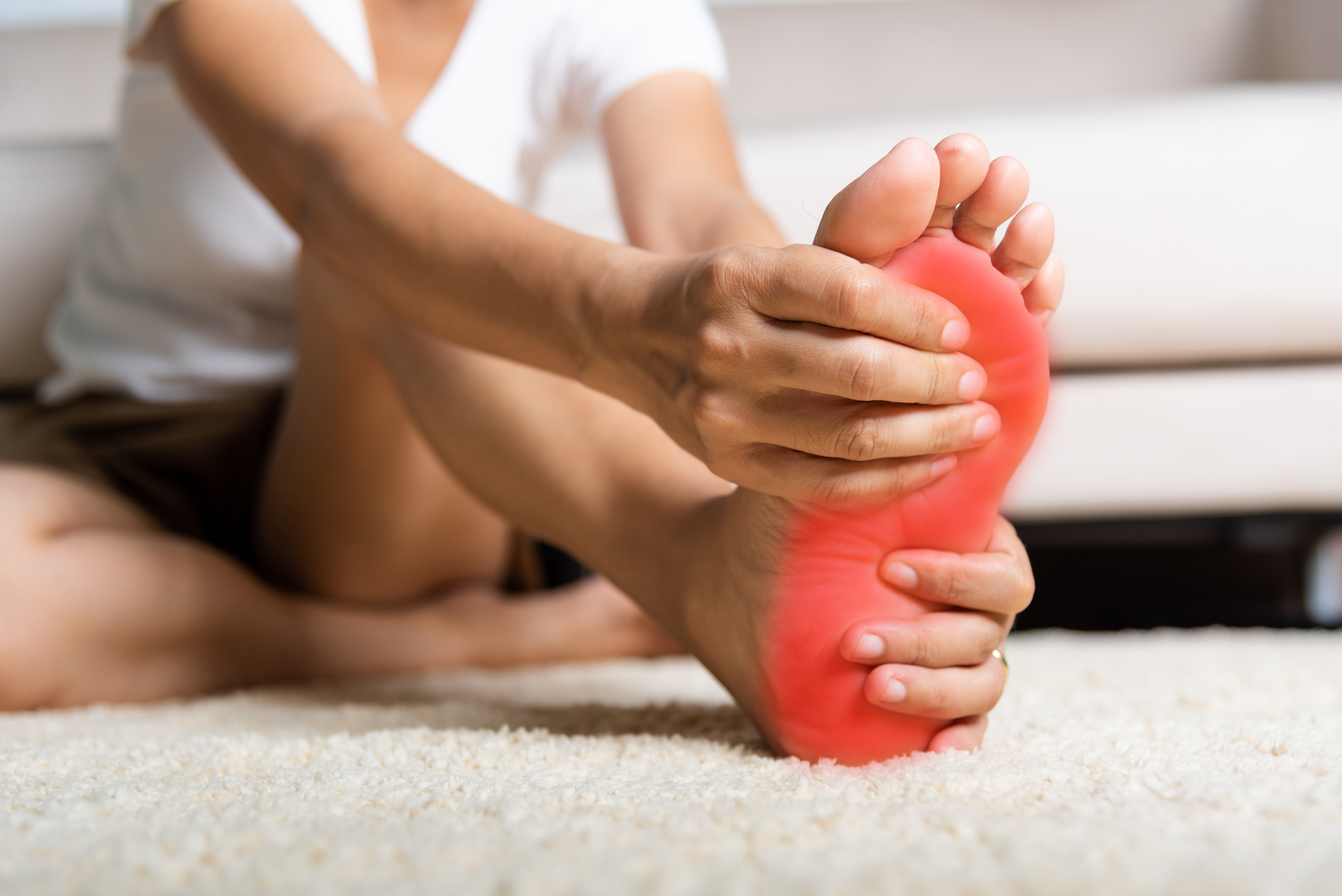

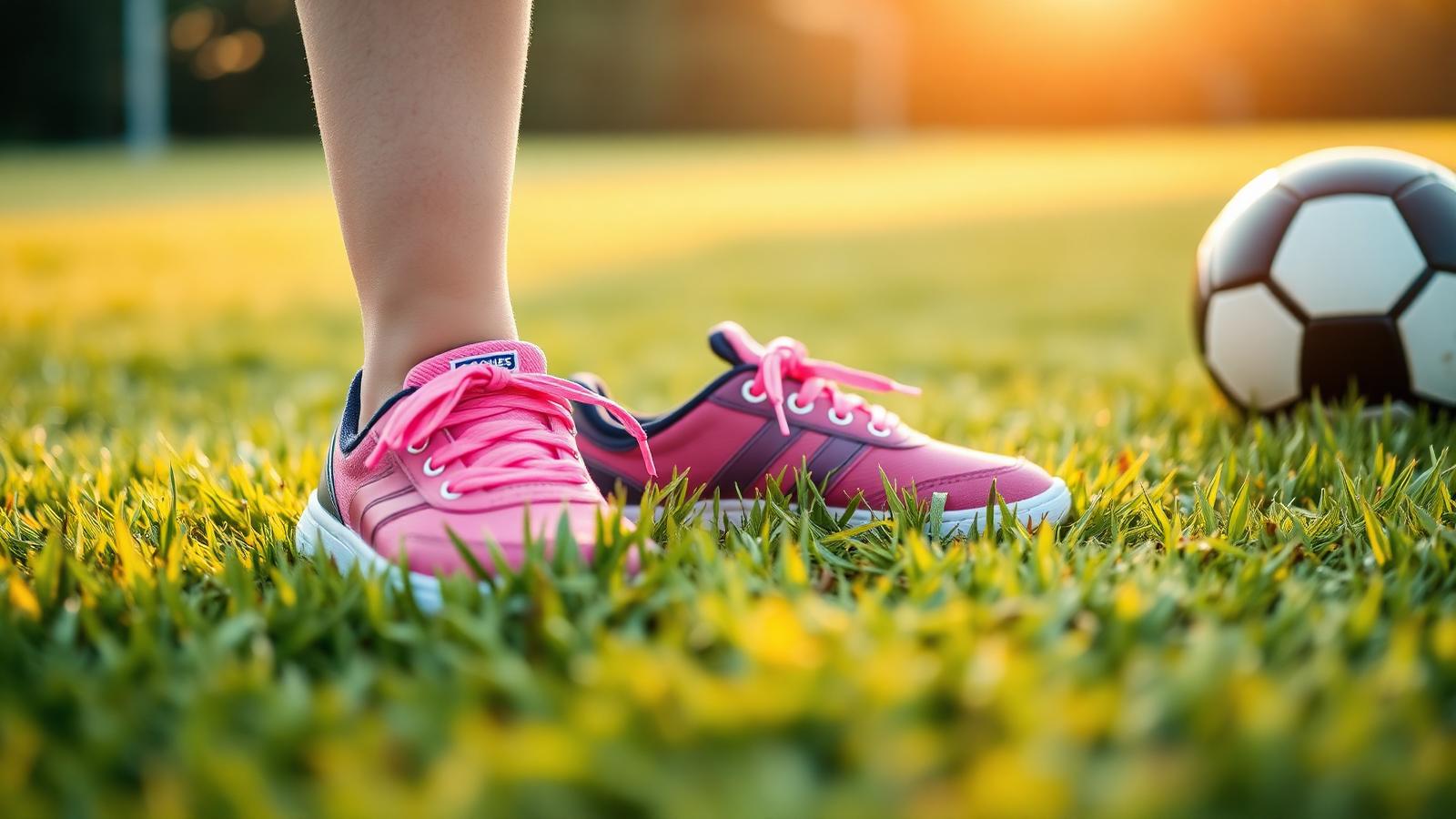
If your child is complaining of heel pain, especially after sports, this is one of the most common causes I see in my clinic.
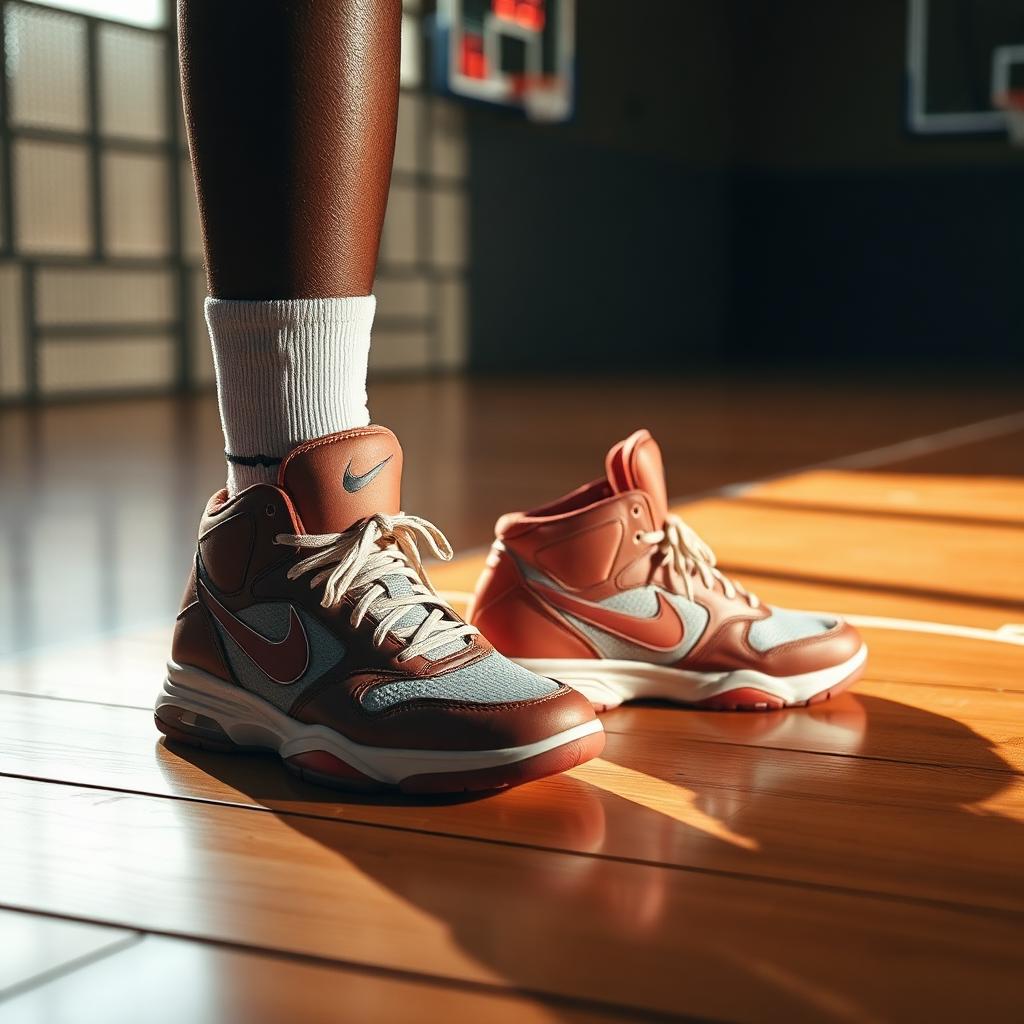
As a board-certified podiatrist, I treat this condition every week. It is especially common in active kids who play soccer, basketball, baseball, and other running sports.
Let''s break it down in a simple way so you know exactly what is happening and what to do next.
What Is Sever''s Disease?
Sever''s Disease, also called calcaneal apophysitis, is a growth plate condition in the heel.
It happens when:
- The heel bone is still developing
- The Achilles tendon pulls on that growth plate
- Repetitive activity causes irritation
Think of it as growing pain that is localized to the heel.
Common Symptoms of Sever''s Disease
You may notice:
- Heel pain during or after activity
- Limping or walking on toes
- Pain when squeezing the back of the heel
- Stiffness after rest
The key point is that this condition is temporary, but it still needs proper care.
Why It Happens
In my clinical experience, the most common causes include:
- Growth spurts
- Tight calf muscles and Achilles tendon
- High-impact sports
- Wearing unsupportive shoes
Footwear is one of the biggest factors I see in clinic.
Sever''s Disease Treatment That Works
The goal is to reduce stress on the heel while the growth plate settles down.
Activity Modification
Reduce high-impact activity for a short period. Kids do not always need to stop sports completely, but they should avoid overloading the heel.
Ice and Anti-Inflammatory Care
Apply ice for 15 to 20 minutes after activity to reduce inflammation.
Stretching
Focus on the calf muscles and Achilles tendon. This reduces tension pulling on the heel.
Heel Cups or Inserts
These help cushion the heel and absorb impact during walking and sports.
Proper Footwear
This is one of the most important parts of treatment and often overlooked.
Things to Look For in Buying Shoes
When I recommend shoes for kids with heel pain, I look for:
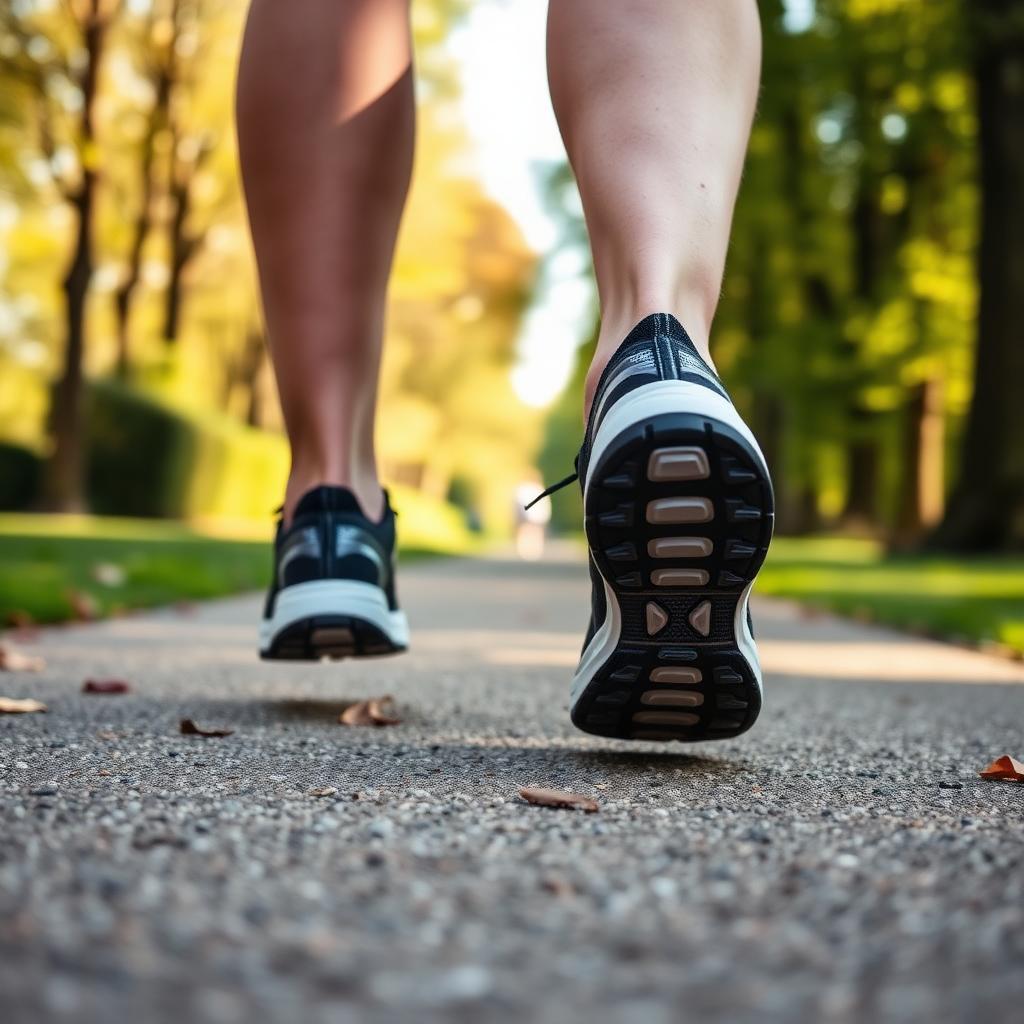
- Cushioning to absorb impact
- Slight heel elevation
- A firm heel counter for stability
- A supportive midsole
- Enough room for growth
Avoid the following:
- Flat flip-flops
- Minimalist shoes
- Worn-out sneakers
- Hard or unsupportive cleats
- Completely flat slides
These increase pressure on the heel and can worsen symptoms.
Can Kids Still Play Sports With Sever''s Disease?
Yes, in most cases they can.
The key is managing how much stress is placed on the heel. With proper footwear, stretching, and recovery, many kids can stay active while symptoms improve.
How Long Does Sever''s Disease Last?
This condition usually lasts a few weeks to a few months. It can come and go during growth spurts.
It resolves once the growth plate fully matures.
When to See a Podiatrist
Schedule an evaluation if:
- Pain is getting worse
- Your child is limping often
- Home treatment is not helping
My Final Thoughts
Sever''s Disease is one of the most common causes of heel pain in children, and it is very manageable.
The biggest mistake I see is ignoring symptoms or continuing to use unsupportive shoes.
Simple changes, especially better footwear, can make a significant difference.
Foot Health Isn''t A Trend… It''s A Movement!
Best,
Dr. Tulpule