
Hi, I’m Dr. Tulpule — and winter is one of the busiest seasons in my office for foot problems that people didn’t realize were building up.
Cold temperatures, dry air, and heavy winter footwear often cause foot issues that get ignored because our feet are covered most of the time. Then spring arrives, sandals come out, and suddenly those problems are impossible to overlook.
Addressing winter foot concerns now can save you discomfort, pain, and frustration later.
Cracked Heels and Dry Skin in Winter
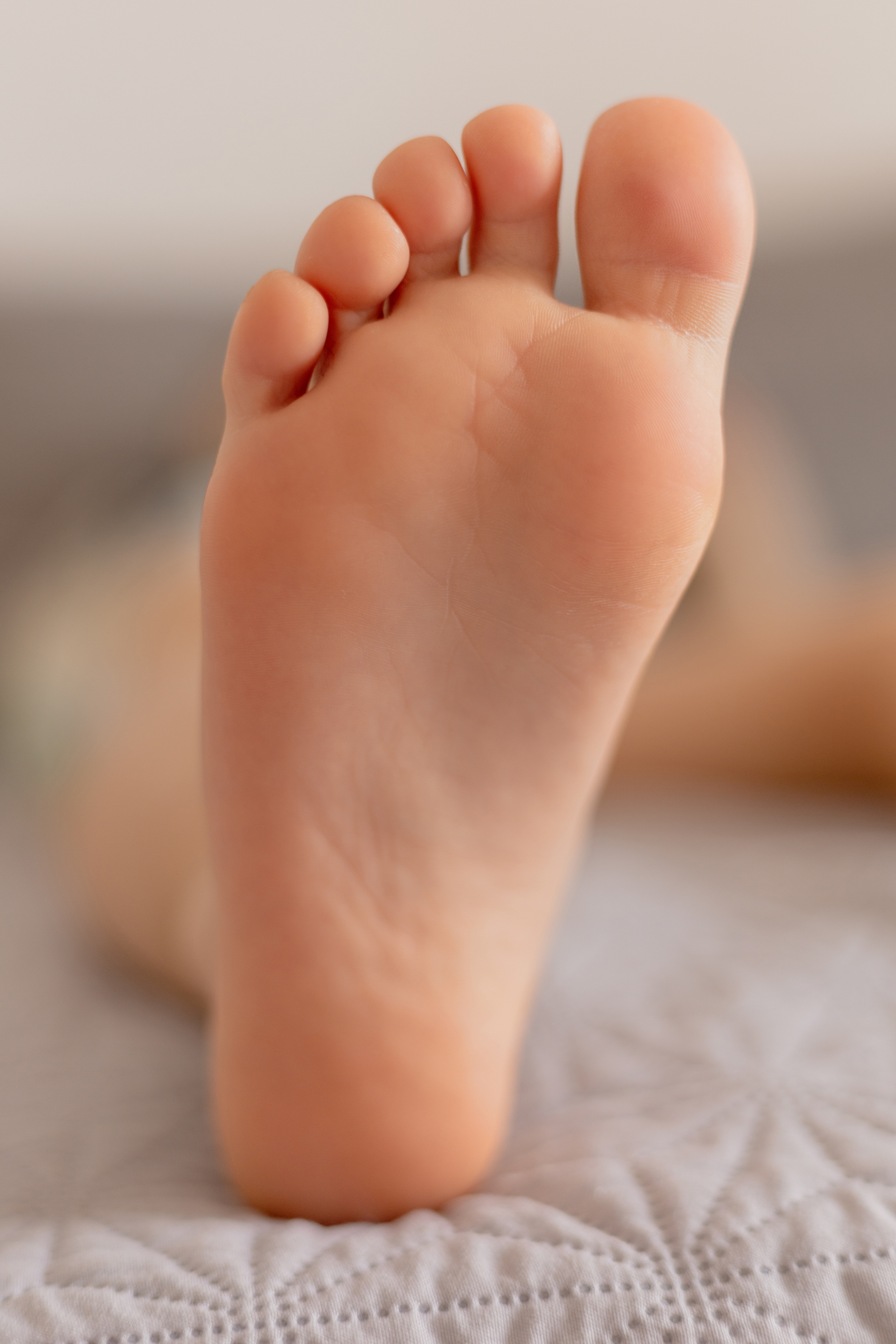
Cold outdoor air and dry indoor heating strip moisture from the skin, especially on the heels. Over time, this can lead to thick, dry skin and painful cracks.
To improve winter heel health, I recommend:
- Using thick, unscented moisturizers
- Choosing foot creams with urea to soften rough skin
- Wearing supportive house shoes instead of walking barefoot indoors
Consistent nighttime care can dramatically improve skin health before spring.
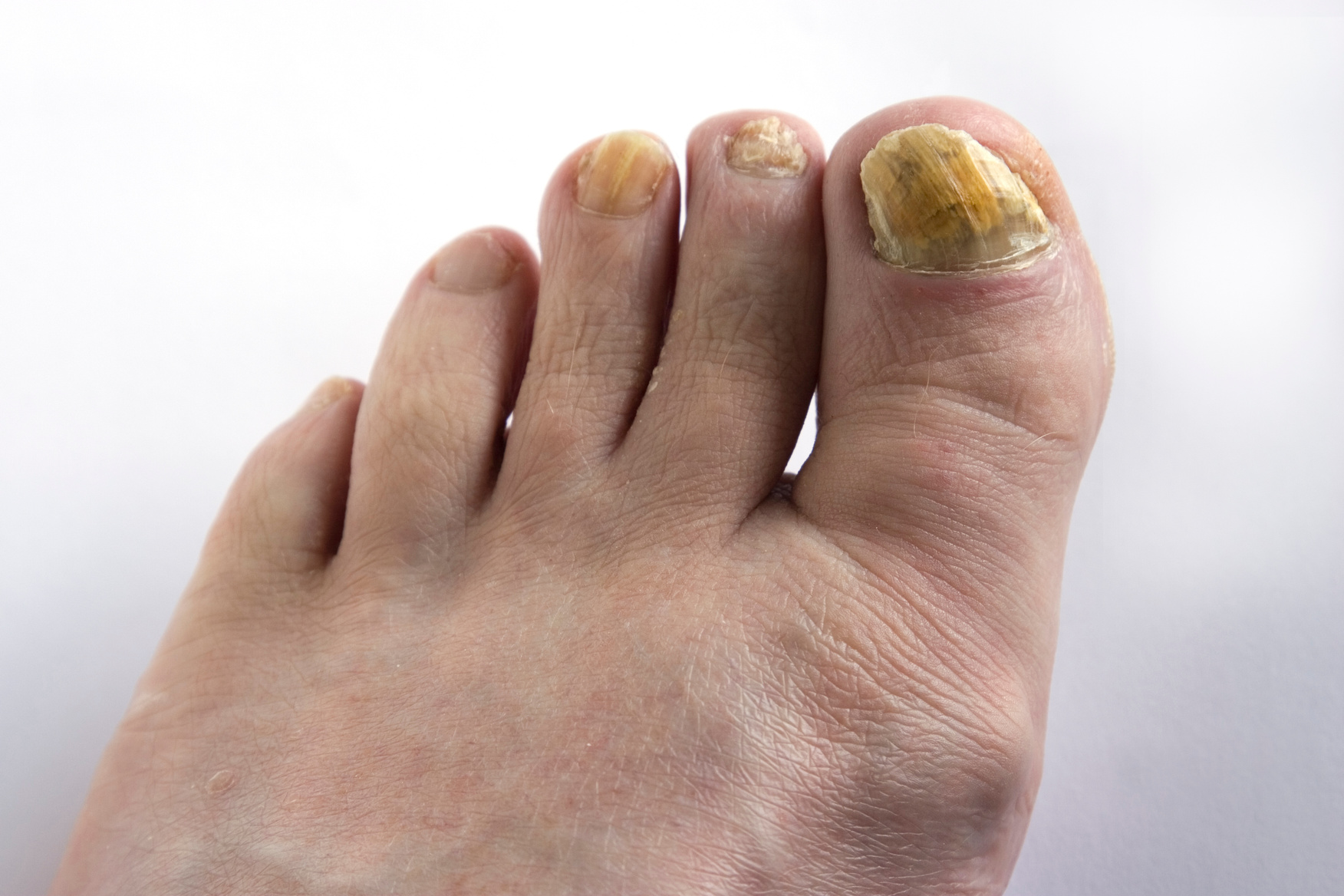
Toenail Fungus Hidden by Winter Footwear
Closed shoes, thick socks, and trapped moisture create the perfect environment for fungal nail infections.
If you notice toenails that are:
- Thickened
- Yellow or discolored
- Brittle or crumbly
…it’s best to have them evaluated early. Treating toenail fungus sooner helps prevent progression and improves long-term outcomes.
Heel Pain Caused by Unsupportive Winter Boots
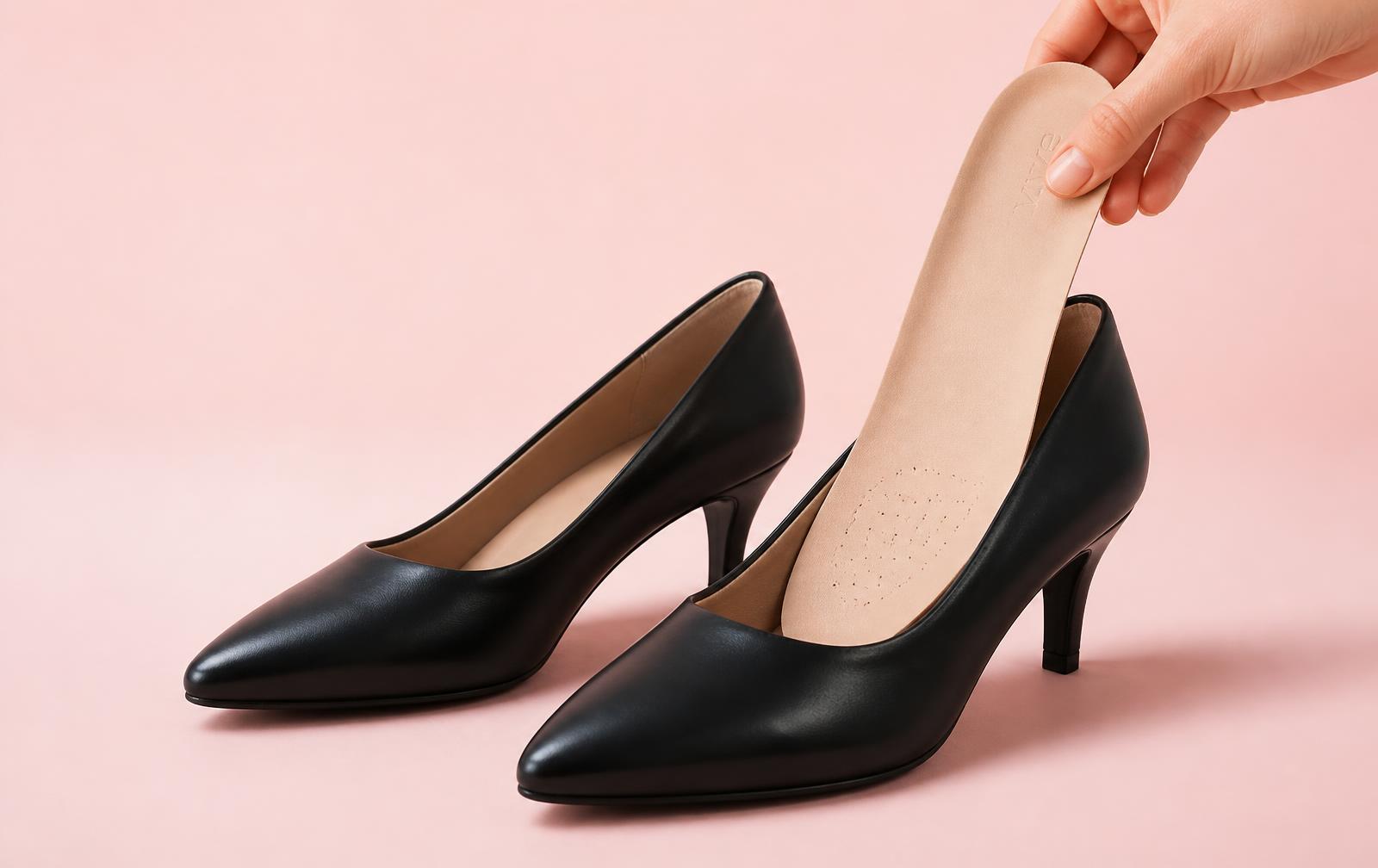
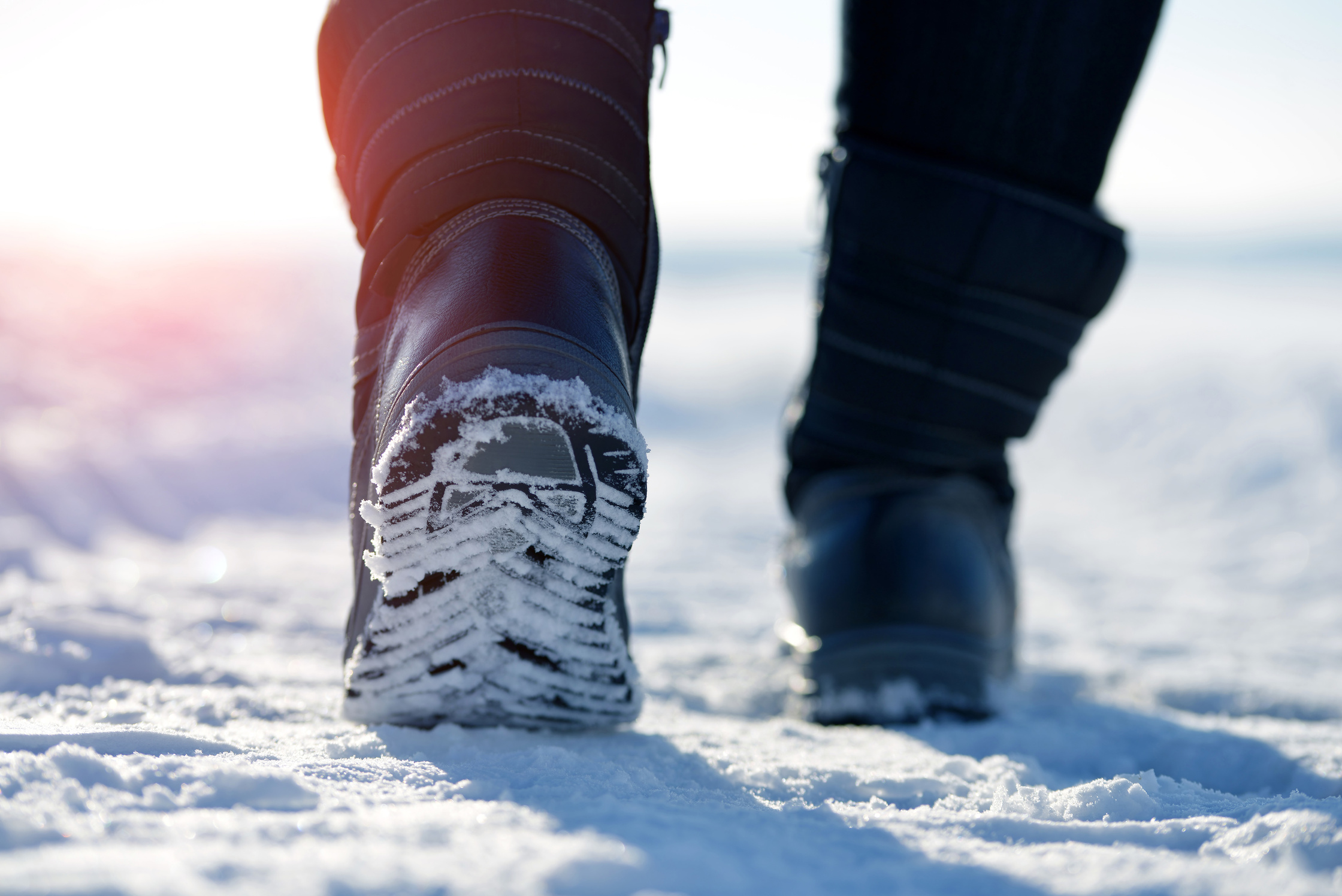
Many winter boots prioritize warmth but lack proper arch support and shock absorption. Wearing these boots daily can aggravate plantar fasciitis, heel pain, and Achilles tendon pain.
If heel pain shows up in the morning or after long days on your feet, your footwear may be contributing.
Toe Pain and Bunions Worsened by Narrow Boots
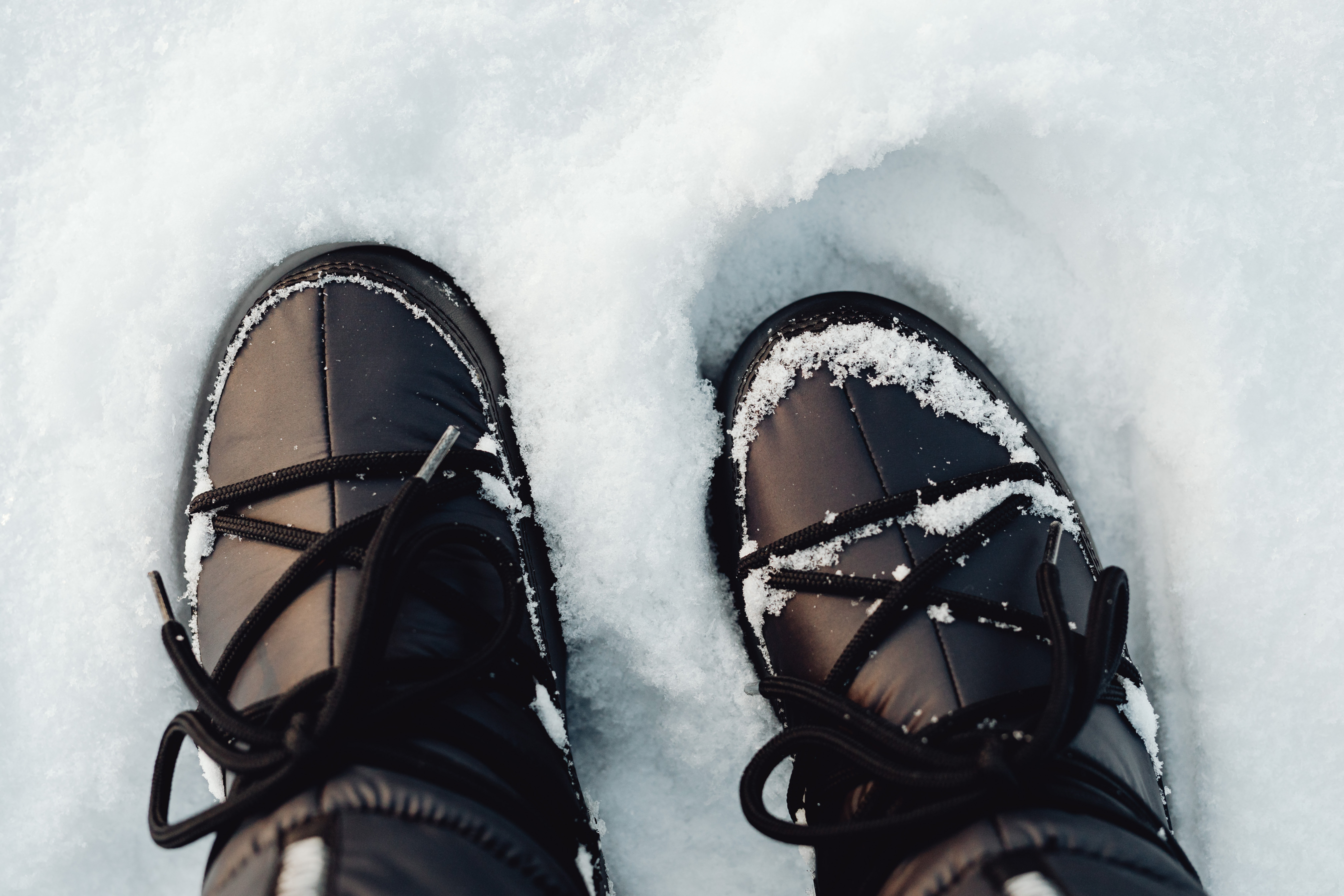
Tight toe boxes compress the forefoot and increase pressure on bunions and nerves.
Over the winter, this can lead to:
- Increased bunion pain
- Numbness or tingling in the toes
- Worsening forefoot discomfort
Choosing boots with a wider toe box and adequate support can significantly reduce symptoms.
Circulation Issues in Cold Weather
Cold temperatures naturally reduce blood flow to the feet, especially in people with circulation concerns.
To protect circulation during winter:
- Keep feet warm with insulated footwear
- Avoid socks or shoes that compress too tightly
- Stay active to encourage blood flow
Warmth without excessive compression is key.
What Not to Do for Winter Foot Problems
I often see winter foot issues worsened by aggressive DIY treatments.
Avoid:
- Using razor blades or sharp tools on calluses
- Ignoring persistent pain or skin cracks
- Waiting months to address nail changes
These approaches often make problems harder to treat.
Get Your Feet Spring-Ready
February is the ideal time to address winter foot problems. Taking care of dry skin, pain, and nail issues now means you’ll be ready for walking, travel, and sandal season without hesitation.
If something doesn’t feel right, trust that instinct — early care makes a big difference.
Your feet work hard all year long. A little attention now can keep them healthy into spring and beyond.
Foot Health Isn’t A Trend…It’s A Movement!
Best,
Dr. Tulpule