
Are your jobs requiring you to stand and walk on hard surfaces all day long? Plantar fasciitis may already be waving to your feet without you noticing.
Hi, I’m Dr. Tulpule, a board-certified podiatrist with over 15 years of dedication to helping people get back to walking freely.
Today, we will talk about plantar fasciitis, also known as morning heel pain, because it is often worse when you first step out of bed. This guide will cover the symptoms, causes, prevention tips, recommended shoes, and remedies if you already have plantar fasciitis.
What Is Plantar Fasciitis?
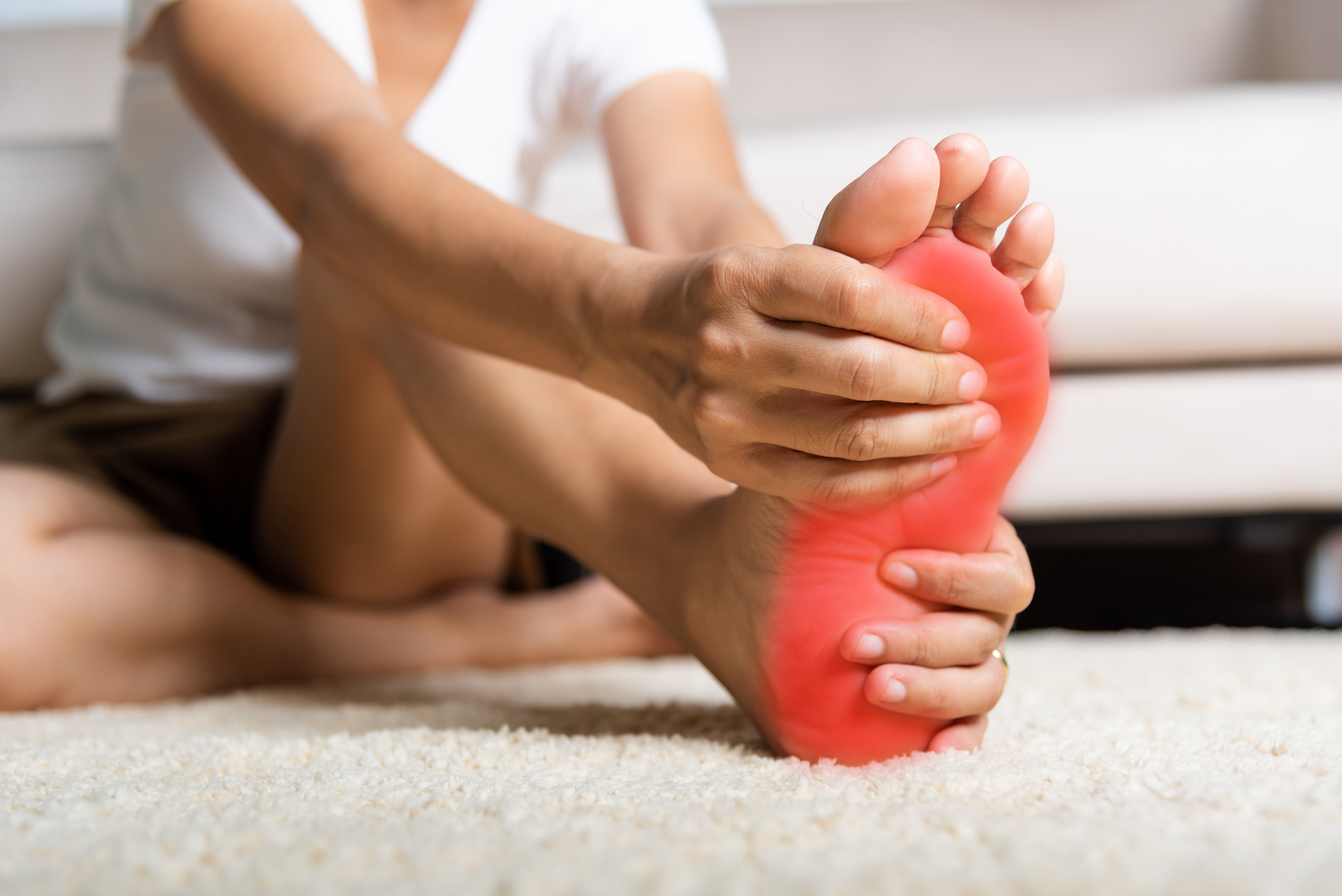
Plantar fasciitis is a musculoskeletal condition characterized by inflammation or degeneration of the plantar fascia, a thick band of connective tissue that runs from the calcaneus (heel bone) to the metatarsal heads. This condition causes pain at the bottom of the heel, especially with initial weight-bearing after rest, such as taking your first steps in the morning.
According to Cleveland Clinic and the American Academy of Family Physicians (AAFP), plantar fasciitis is a common condition that one in ten people will experience in their lifetime. It frequently affects people who stand and walk on hard surfaces for long periods, including those working in hospitals, factories, schools, and construction sites. It is also common among people with movement-heavy jobs, such as athletes, military and police officers, and tour guides, due to excessive use of the feet.
Common Symptoms of Plantar Fasciitis
The most common symptoms of plantar fasciitis include:
- Sharp or stabbing heel pain in the morning — A sudden, intense pain is felt at the bottom of the heel during the first steps after waking.
- Pain along the arch of the foot — Aching or discomfort may be present along the medial arch due to tension on the plantar fascia.
- Worst pain with the first steps out of bed — Pain is typically most severe after periods of rest because the plantar fascia tightens overnight.
- Heel pain after sitting or resting, then standing — Pain occurs when standing up after prolonged inactivity as the plantar fascia is abruptly stretched.
- Pain that improves with walking but returns after long standing — Symptoms may ease with brief movement but return after prolonged standing or repetitive stress.
- Heel tenderness when pressed — Localized tenderness is often felt when pressing on the medial calcaneal tubercle.
- Tight calf muscles or Achilles tendon — Stiffness or reduced flexibility in the calf muscles increases strain on the plantar fascia.

How to Prevent Plantar Fasciitis
What starts as simple foot discomfort can lead to chronic heel pain if ignored. To prevent plantar fasciitis, it’s important to reduce strain on your feet and improve their strength and flexibility.
Wear supportive shoes with good arch cushioning, and replace worn-out footwear to maintain proper foot alignment. If you stand for long periods, take a 5-minute break every hour to sit down and relieve pressure on your heels.
Stretching and Strengthening Tips
- Perform calf stretches against a wall for 30 seconds on each leg, 2–3 times daily
- Stretch the plantar fascia by pulling your toes toward your shin for 20–30 seconds, 2–3 sets per day, especially before walking in the morning
- Strengthen your feet with toe curls or marble pickups for 5 minutes daily to improve arch stability
After activity, ice your heel using a frozen water bottle for 10–15 minutes to reduce inflammation. Maintaining a healthy weight and using orthotic insoles for flat feet, high arches, or overpronation can further protect the plantar fascia.
By combining proper footwear, regular breaks, stretching, strengthening exercises, and icing, you can significantly lower your risk of developing plantar fasciitis.
Recommended Shoes for Plantar Fasciitis
Supportive footwear plays a major role in managing plantar fasciitis. I also have a list of recommended shoes for plantar fasciitis that you can check on my Instagram.
Remedies for Plantar Fasciitis and When to See a Doctor
If heel pain persists for more than 6–8 weeks, worsens, or limits your ability to walk despite conservative measures, it’s time to see a doctor or podiatrist. Treatment options may include physical therapy, night splints, corticosteroid injections, shockwave therapy, or custom orthotics.
Seek immediate medical attention if you experience severe swelling, redness, numbness, tingling, or sudden inability to walk, as these symptoms may indicate another foot condition.
My Final Thoughts…
Plantar fasciitis is a common cause of heel pain, and early treatment makes a big difference. Simple habits like wearing supportive shoes, stretching daily, taking breaks from prolonged standing, and using proper orthotic support can help relieve pain and prevent it from becoming chronic. If heel pain persists or affects your daily activities, seeing a podiatrist early can lead to faster recovery and better long-term foot health.
Foot Health Isn’t A Trend…It’s A Movement!
Best,
Dr. Tulpule