Footwear Education Hub

Helping People Move BetterWalk beautifully, pain-free.

The shoes you wear every day shape your posture, gait, and joint health — the wrong pair can quietly drive pain, injury, and long-term foot problems. Understanding both shoe anatomy and foot anatomy helps you see how each feature supports a specific part of your foot, so you can choose footwear with confidence.

Know Your Shoe

The Anatomy of a Healthy Shoe

Learn how to buy a shoe with confidence. Explore each part of the shoe to understand what to look for, what to avoid, and how every feature can impact your comfort and long-term foot health.

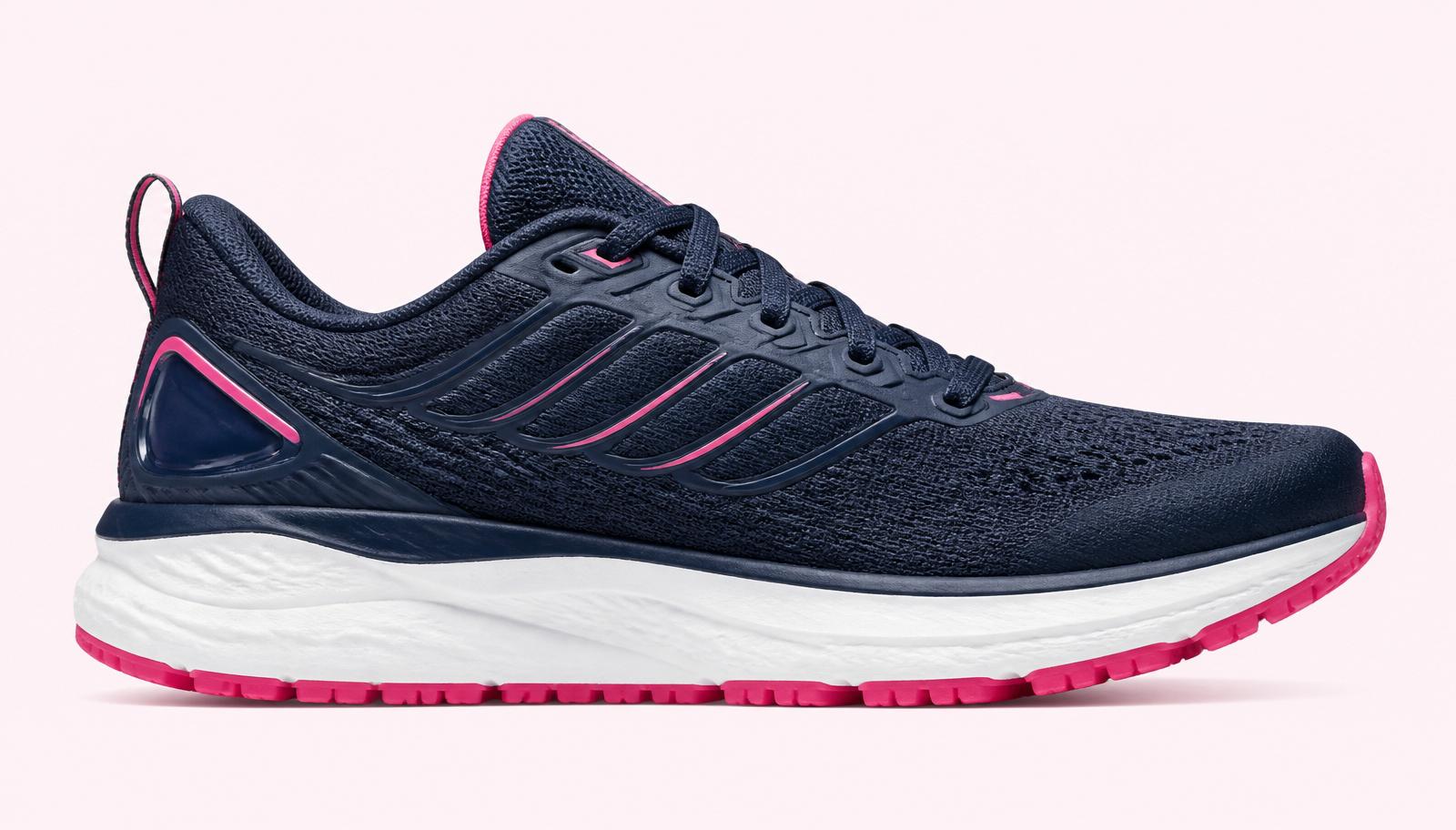
Anatomy of a healthy athletic shoe — side profile

Interactive Anatomy

Understanding Common Foot Conditions

Tap a region of the foot to see the conditions that most often develop there — plus the footwear features that help.

1Heel2Arch3Ball of Foot4Toes5Whole Foot

The Foundation

Why Footwear Matters

Fashion isn't enough. The shoes you wear every day quietly shape your posture, gait, and joint health — for better or worse.

The Wrong Shoe

Silent damage, daily

Unsupportive, poorly fitted footwear compounds stress with every step — often long before you feel a symptom.

  • Heel pain & plantar fasciitis
  • Bunions & toe deformities
  • Collapsed arches / flat feet
  • Knee, hip & lower back strain
  • Poor posture and fatigue
  • Chronic joint inflammation

The Right Shoe

Move better, every step

The right footwear works with your anatomy — protecting joints, redistributing load, and supporting long-term mobility.

  • Balanced weight distribution
  • Natural arch alignment
  • Shock absorption at heel strike
  • Room for toes to splay naturally
  • Reduced strain on knees & back
  • Confidence for long days standing
75%of adults will experience foot pain in their lifetime — most cases trace back to footwear choices.

Decision Matrix

Matching Your Foot Needs

Skip the guesswork. Find your primary concern, recognize the symptoms, and see exactly which shoe features to prioritize on your next purchase.

Plantar Fasciitis

Common Symptoms

  • Sharp heel pain (first steps AM)
  • Arch tightness
  • Pain after rest
PrioritizeArch SupportHeel CushionFirm Heel Counter
Heel Spurs

Common Symptoms

  • Stabbing heel pain
  • Tenderness under heel
  • Pain when standing
PrioritizeHeel CushionShock AbsorptionArch Support
Achilles Tendonitis

Common Symptoms

  • Back-of-heel pain
  • Morning stiffness
  • Swelling above heel
PrioritizeHeel LiftCushioned MidsoleStability
Flat Feet

Common Symptoms

  • Arch pain
  • Foot fatigue
  • Ankle rolling inward
PrioritizeStructured Arch SupportFirm Heel CounterMotion Control
Morton's Neuroma

Common Symptoms

  • Burning ball-of-foot pain
  • Numb toes
  • Feels like pebble in shoe
PrioritizeWide Toe BoxMetatarsal PadSoft Cushioning
Metatarsalgia

Common Symptoms

  • Ball-of-foot ache
  • Pain worsens when walking
  • Bruised sensation
PrioritizeForefoot CushioningRocker SoleWide Toe Box
Bunions

Common Symptoms

  • Big toe joint bump
  • Redness & swelling
  • Rubbing in narrow shoes
PrioritizeWide Toe BoxSoft UpperStretch Material
Hammertoes

Common Symptoms

  • Bent middle toes
  • Top-of-toe corns
  • Discomfort in tight shoes
PrioritizeDeep Toe BoxSoft UpperCushioned Insole
Arthritis

Common Symptoms

  • Joint stiffness
  • Achy feet after activity
  • Reduced flexibility
PrioritizeCushioned MidsoleRocker SoleRoomy Fit
Diabetic Foot Care

Common Symptoms

  • Numbness or tingling
  • Slow-healing sores
  • Reduced sensation
PrioritizeSeamless InteriorExtra DepthProtective Toe Box

Frequently Asked

Common Questions

What is arch support and why does it matter?

Arch support is the structural shaping under the midfoot that helps distribute your body weight evenly across the foot. Proper arch support reduces strain on the plantar fascia, stabilizes the heel, and can prevent overpronation — a common contributor to plantar fasciitis, shin splints, and knee pain.

How often should I replace my everyday shoes?

Most walking and running shoes lose meaningful cushioning after 300–500 miles, or roughly every 6–12 months of daily wear. If the midsole feels compressed, the tread is smooth, or you're noticing new aches, it's time.

Why do my feet hurt after walking?

The most common causes are unsupportive shoes, worn-out cushioning, plantar fasciitis, or a mismatch between your foot type (flat feet, high arches) and the shoe's structure. Persistent pain after normal activity is a signal — not something to walk through.

How do I choose the right walking shoe?

Prioritize a firm heel counter, a roomy toe box, arch support that matches your foot type, and cushioning appropriate for your surface and mileage. Try the twist-and-fold test: the shoe should bend only at the ball of the foot, not through the middle.

What does foot pain by location usually mean?

Heel pain often points to plantar fasciitis or Achilles issues. Ball-of-foot pain is commonly metatarsalgia or a neuroma. Big toe joint pain can indicate bunions or hallux rigidus. Arch pain frequently traces back to flat feet or overuse. Location is a strong diagnostic clue.

Are expensive shoes actually better for my feet?

Not always. Price often reflects branding and materials, not biomechanics. What matters is the fit for YOUR foot shape and needs: adequate arch support, a firm heel counter, a roomy toe box, and cushioning appropriate for your activity.

Can the wrong shoes really cause knee or back pain?

Yes. Your feet are the foundation of your posture. Poor support or worn-out cushioning changes how force travels up the kinetic chain, which can contribute to knee, hip, and lower-back discomfort over time.

Do I need custom orthotics or are OTC insoles enough?

Over-the-counter insoles help many people, especially for mild arch fatigue or added cushioning. Custom orthotics are worth it when you have a specific diagnosed condition, structural asymmetry, or OTC options haven't helped.

Are sandals bad for my feet?

Flat, flimsy sandals are — but supportive recovery sandals and contoured sport sandals can be excellent, especially after long shifts or for warm-weather walking. Look for arch shaping and a firm footbed.

What are daily foot care habits for healthy feet?

Wash and fully dry feet daily, moisturize (avoiding between toes), rotate your shoes so they can decompress, trim nails straight across, stretch your calves and plantar fascia, and inspect for changes in skin, nails, or shape — especially if you have diabetes.