The Sole Doctor

THE FOOTWEAR GUIDE

Podiatrist-Approved Recommendations

Expert criteria for choosing shoes that protect your foot health — without sacrificing your personal style. Learn what to look for, what to avoid, and how to shop smarter for every occasion.

“You shouldn’t have to choose between style and foot health.”

WHY YOUR SHOES MATTER

Your feet are the foundation of your entire body. The average person takes between 8,000 and 10,000 steps per day — and every one of those steps is influenced by the shoes you’re wearing. Poor footwear choices are among the leading causes of plantar fasciitis, bunions, knee pain, hip misalignment, and chronic back pain.

As a board-certified podiatrist, I evaluate footwear every single day. The good news is that stylish supportive shoes exist in every category. You just need to know what to look for.

Stylish footwear

HOW TO EVALUATE ANY SHOE

Before you buy any shoe — regardless of price, brand, or how good it looks — run through the five-step evaluation I teach my patients in the clinic.

LEARN THE TESTS

WHAT MAKES A SHOE PODIATRIST-APPROVED?

FIRM HEEL COUNTER

The rigid cup at the back of the shoe that wraps around your heel. It should not collapse when you press on it. A firm heel counter prevents excessive inward rolling (overpronation) and stabilizes every step.

ADEQUATE ARCH SUPPORT

The insole should contour to the natural curve of your arch — not be completely flat. Proper arch support distributes your body weight evenly and reduces strain on the plantar fascia.

WIDE TOE BOX

Your toes need room to splay naturally when you walk. A toe box that is narrower than your actual foot compresses the toes, accelerating bunion formation, hammertoe development, and nerve compression.

SHOCK-ABSORBING CUSHIONING

Quality midsole foam absorbs the impact of each footstrike before it travels up through your ankle, knee, and hip. Look for a midsole that has some give when you press your thumb into it.

APPROPRIATE HEEL DROP

Heel drop is the height difference between the heel and the forefoot. A moderate drop of 8–12mm reduces Achilles tendon strain. Completely flat shoes often cause issues for those with tight calves.

TORSIONAL STABILITY

Hold the shoe at both ends and try to twist it. A supportive shoe should resist twisting along its length. It should flex only at the ball of the foot — where your foot naturally bends.

THE IN-STORE TEST

1

The Twist Test

Hold the heel in one hand and the toe in the other. Try to twist the shoe along its length like wringing a towel. A supportive shoe should resist this motion significantly.

2

The Bend Test

Bend the shoe by pushing the toe toward the heel. The shoe should flex only at the ball — roughly the front third. If it bends in the middle of the arch, it lacks midfoot support.

3

The Heel Counter Press Test

Use your thumb to press firmly on the back of the heel cup from the outside. It should feel firm and resist compression to control rear-foot motion.

4

The Toe Box Width Check

Place your foot on top of the shoe’s insole (remove it if possible). Your foot should not hang over the edges. If your foot is wider than the insole, the shoe is too narrow.

5

The Immediate Comfort Test

A well-made, properly fitting shoe should feel comfortable the moment you put it on. There is no such thing as a “break-in period” for a right shoe.

GUIDANCE BY SHOE TYPE

WALKING & RUNNING

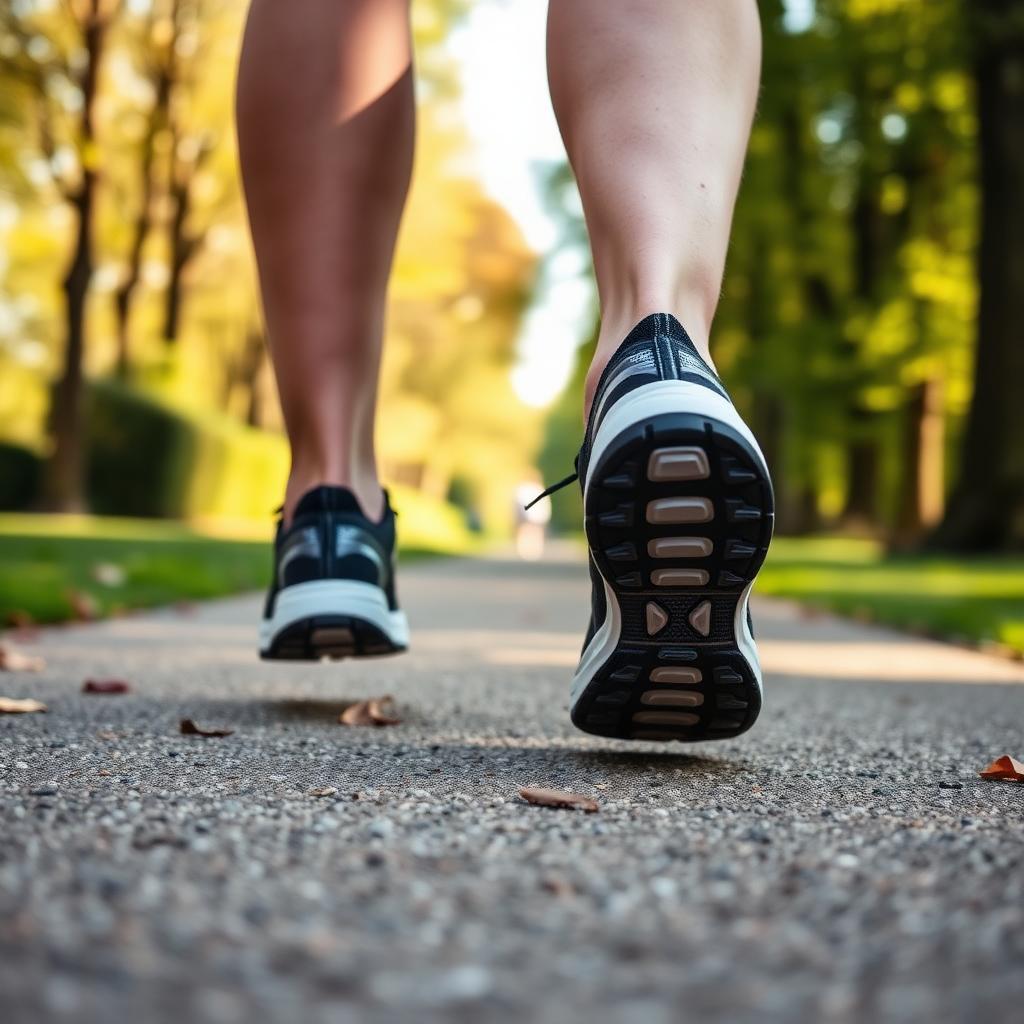
Athletic footwear is where support features are most developed. For walking, prioritize a rocker-bottom outsole.

  • Replace every 300–500 miles
  • Shop in the afternoon
  • Ensure a thumb’s width of space at toe
Walking Shoe Guide

EVERYDAY SNEAKERS

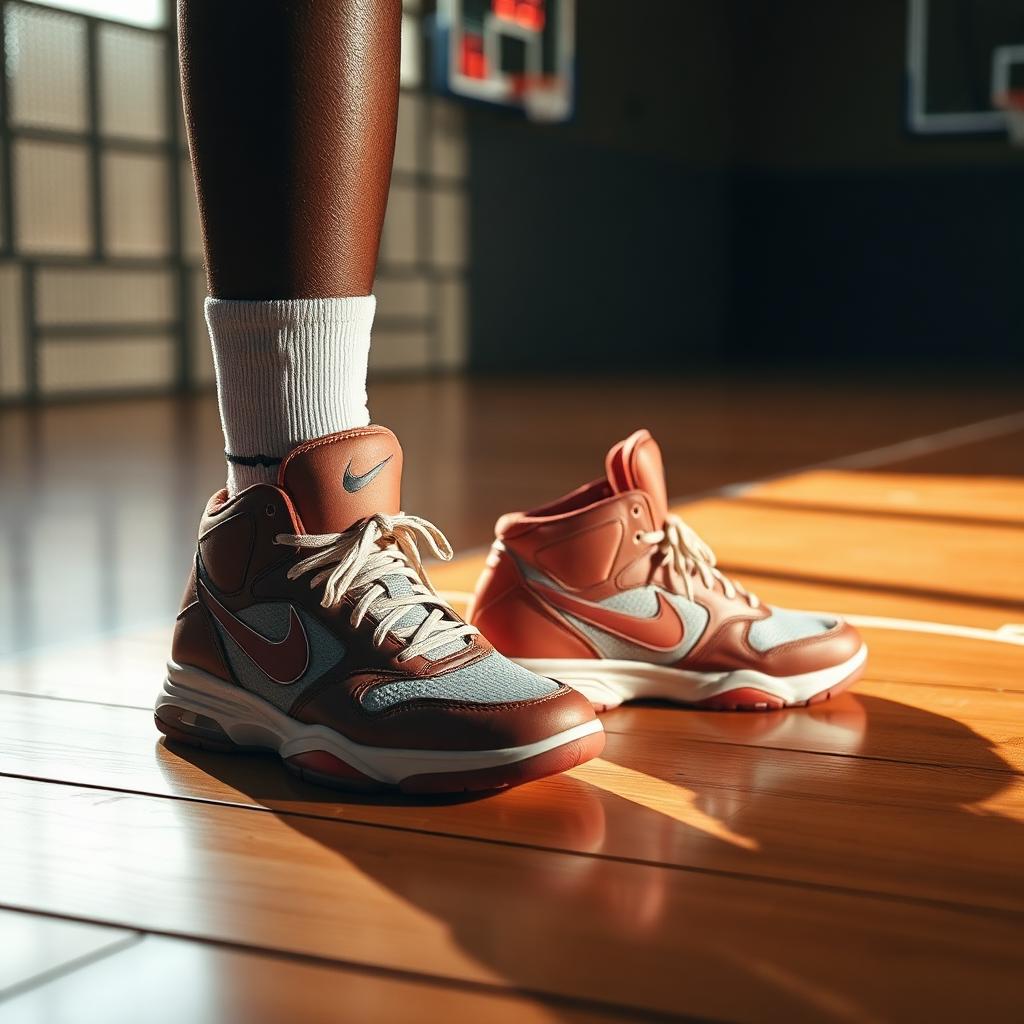
Modern supportive sneakers combine fashion with foot health. Avoid ultra-flat, ultra-flexible canvas styles.

  • Avoid thin, flat soles
  • Chunky soles offer better support
  • Mesh uppers allow breathability
House Shoe Guide

DRESS SHOES & HEELS

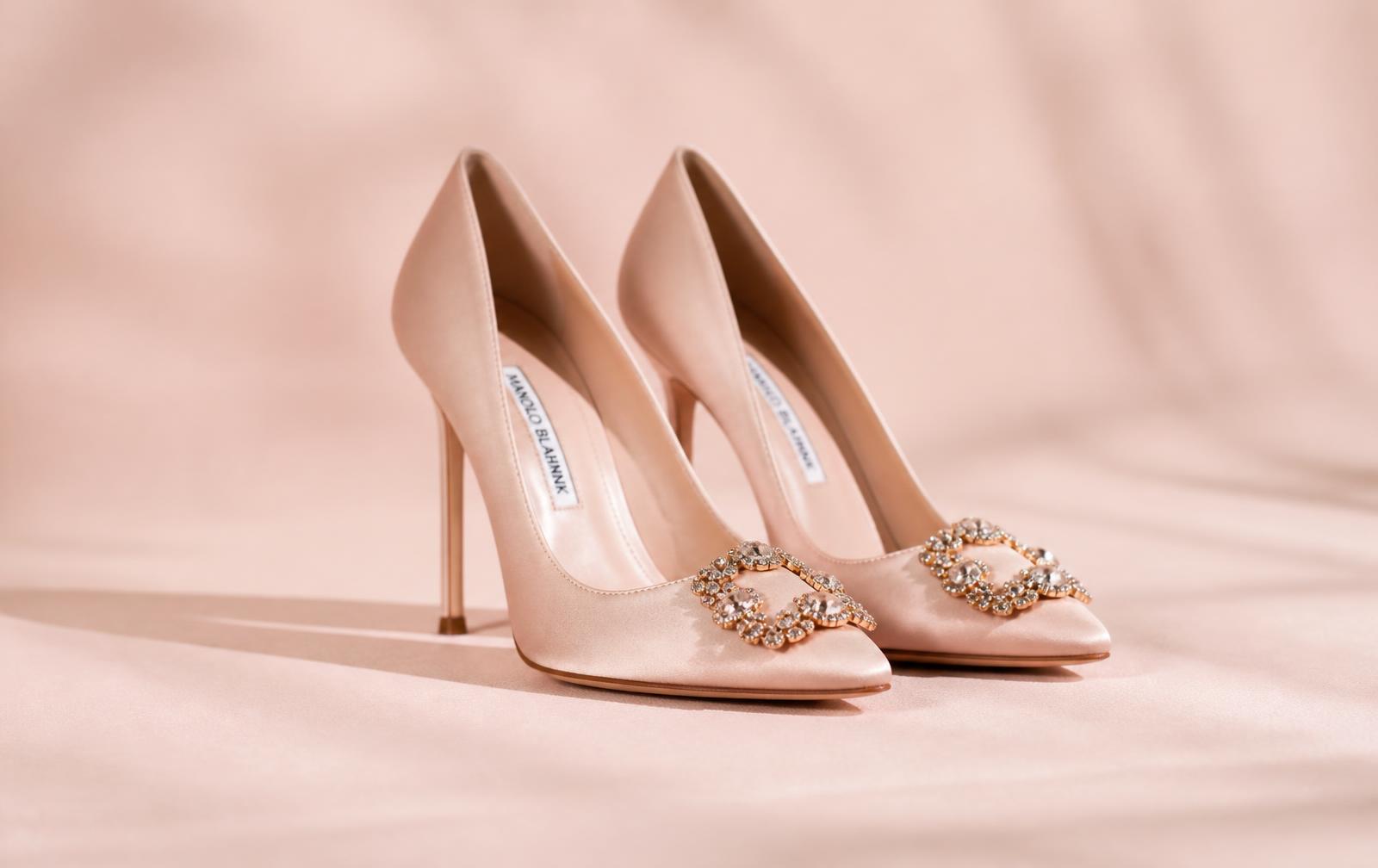
Fashionable comfort shoes exist. The key principle: heel height is not the only variable.

  • Choose block heels or wedges
  • Limit heel height to 2 inches
  • Look for a padded insole

BOOTS

Choose boots with a low, stable heel and enough interior volume to accommodate thicker socks in winter.

  • Shaft shouldn’t press ankle
  • Deep lug soles for traction
  • Waterproof materials protect feet

SANDALS & SUMMER

The biggest mistake is the flat flip-flop. A supportive sandal is the best investment for summer foot health.

  • Look for a contoured footbed
  • Adjustable straps provide security
  • Avoid toe-post styles for bunions

WORK SHOES

If you spend 8+ hours on your feet, your footwear is a medical necessity. A rocker-bottom sole is valuable.

  • Slip-resistant outsoles are essential
  • Maximum cushioning in the midsole
  • Replace every 6 months if worn daily

COMMON FOOT CONDITIONS

PLANTAR FASCIITIS

The most common condition I treat. The right shoe can dramatically reduce pain and accelerate recovery.

Look for:
  • Strong arch support
  • Heel drop of at least 8mm
  • Firm, supportive midsole
Plantar Fasciitis Guide

FLAT FEET

Flat feet cause the arch to collapse inward (overpronation). The right shoe corrects this alignment.

Look for:
  • “Stability” or “motion control” shoes
  • A firm medial post
  • A straight or semi-curved last

BUNIONS

Narrow, pointed footwear significantly accelerates bunion progression and pain.

Look for:
  • A wide, deep toe box
  • Soft, accommodating upper materials
  • Adjustable closures

HIGH ARCHES

High arches are rigid and less effective at absorbing shock, making the heel absorb disproportionate impact.

Look for:
  • Maximum cushioning
  • A flexible, curved last
  • Neutral category shoes

DIABETES & NEUROPATHY

Reduced sensation means blisters can go unnoticed. Footwear must eliminate all friction points.

Look for:
  • Extra-depth shoes
  • Seamless interiors
  • Soft, non-binding uppers

HAMMERTOES

Footwear that is too short forces the toes into a claw-like shape and causes painful rubbing.

Look for:
  • A deep toe box with vertical height
  • Soft upper materials
  • A thumb’s width of space at toe

SIGNS A SHOE IS BAD FOR YOUR FEET

!
It folds completely in half Pick up the shoe and fold the toe toward the heel. If it collapses easily, it has no midfoot support.
!
The heel counter collapses Press your thumb firmly into the back of the heel cup. If it caves in easily, it cannot stabilize your heel.
!
It hurts in the store A shoe that causes discomfort during a 5-minute trial will cause serious pain after hours of wear. Walk away.
!
The toe box is narrower than your foot If your foot is wider than the insole, the shoe will compress your toes and restrict circulation.
!
The sole is paper-thin A sole with no cushioning thickness provides no shock absorption. Every step sends full impact into your joints.

Sign Up For My Newsletter

Receive updates on the latest foot care tips, product discounts and more when you sign up today!

We don’t spam! Read our privacy policy for more info.