
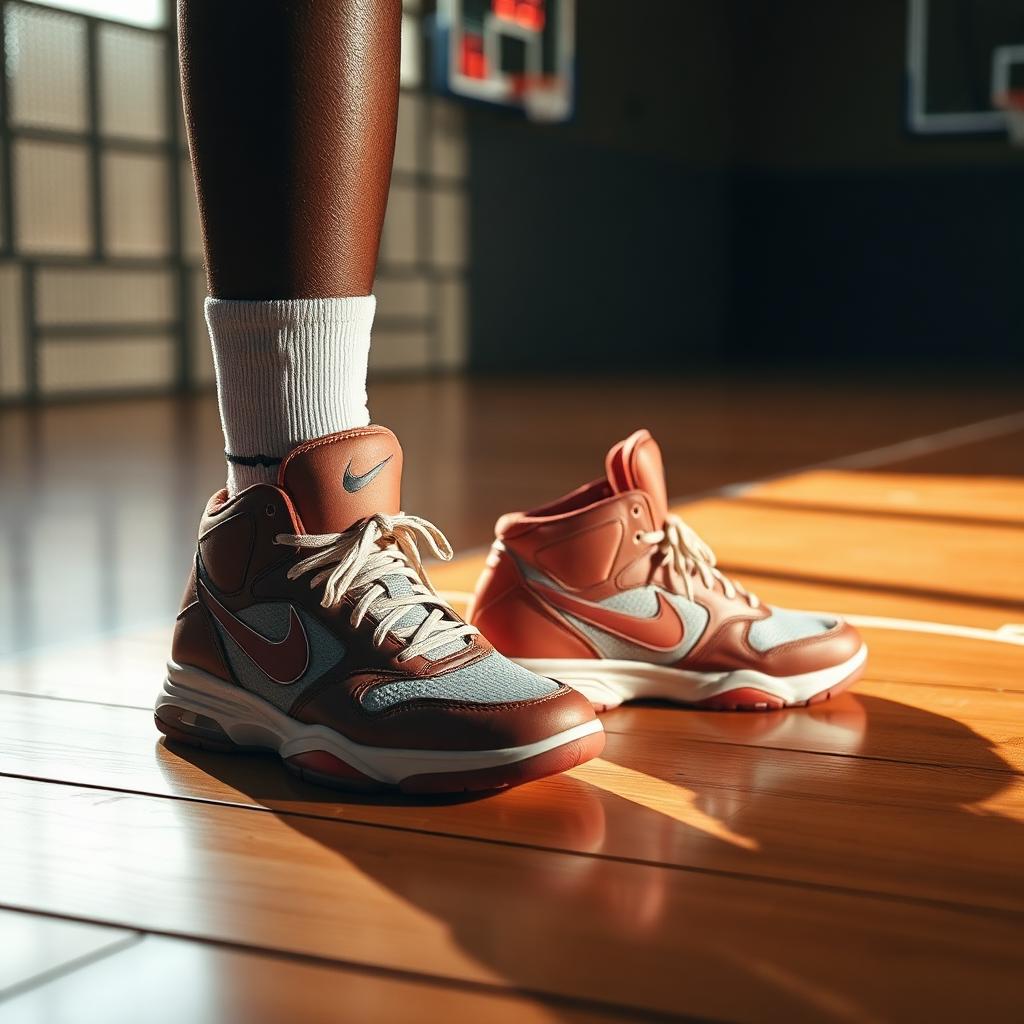
Basketball is brutal on feet. Every possession asks them to accelerate, stop dead, cut sideways, jump and absorb a landing that can hit six to eight times your body weight. As a podiatrist, most of the basketball injuries I treat are not freak accidents — they trace back to a shoe that never matched the foot inside it.
This guide is organized the way I actually work with athletes: first the shoe features that matter, then the 2026 models worth buying, then specific picks by foot type — flat feet, wide feet, plantar fasciitis, weak ankles and sore knees.
Quick Answer: The Best Basketball Shoes of 2026 by Foot Type
| Shoe | Cut | Cushioning | Base width | Best for |
|---|---|---|---|---|
| Jordan Zion 4 "Voodoo" | Mid | Thick, plush | Very wide | Flat feet, wide feet, heavy landings |
| Nike GT Future | Mid | Zoom Air, firm-responsive | Medium | Explosive jumpers, plantar fasciitis |
| Jordan Luka 5 "Venom" | Low-mid | Cushlon, balanced | Medium-wide | Footwork-heavy guards |
| Under Armour Curry 12 | Low | Responsive, firm | Narrow | Shooters and quick guards, narrow feet |
| Puma MB.04 | Low | Nitro foam, soft-bouncy | Medium | Speed and responsiveness |
| Anta Zap 2 | Mid | Balanced foam | Wide | Best value, wider feet on a budget |
Not ranked in order — the right pick depends on your foot, not on a leaderboard. Prices and availability change; nothing here is a sponsored placement.
7 Things I Check Before I Approve a Basketball Shoe
1. Cushioning that absorbs, not just feels soft
Basketball involves repeated jumping and hard landings. Cushioning protects the feet, knees and ankles, and reduces the risk of heel pain, stress fractures and joint strain. But the softest shoe is not automatically the best: foam that collapses under a landing lets your foot roll. You want cushioning that compresses and then pushes back.
2. Torsional support — do the twist test
Hold the shoe at the heel and the toe and twist. A good basketball shoe resists. If it wrings out like a dish towel, it will not stabilize you on a lateral cut, a hard direction change or a defensive slide. Then bend it: it should flex at the ball of the foot only, never through the arch.
3. The right cut for your ankle history
High-tops add ankle stability and proprioceptive feedback and are worth it if you have sprained an ankle before. Low-tops are lighter and faster and suit guards. One honest caveat: a high collar alone does not prevent sprains. If you have a real history of rolling your ankle, a lace-up ankle brace inside the shoe does far more than the collar height does.
4. A toe box wide enough for your forefoot
A round toe box lets the toes spread on landing. Narrow shoes drive bunions, blisters, toe numbness and hammertoes. Your forefoot should be able to splay when you land — if the upper is straining at the sides in the store, it will not "break in".
5. Traction that matches your court
Look for durable rubber outsoles, deep multidirectional patterns and a herringbone or radial layout. Indoor-specific rubber wears down fast on asphalt — if you play outdoors, buy an outdoor-rated outsole or expect to replace shoes twice as often.
6. Fit tested the way you play
Try shoes on in the afternoon with your actual basketball socks. You want about half an inch of space in front of the longest toe, a snug heel with zero slip, and no pressure along the sides. Then do a jump and a lateral cut in the store.
7. A replacement schedule
Basketball shoes break down fast. Replace them every 4–6 months of regular play, or roughly every 60–70 hours of court time. Compressed midsole foam and smooth traction are the two signs you have waited too long.
If you want the full framework behind these checks, my shoe evaluation guide walks through every part of a shoe and what it does for your foot.
Best Basketball Shoes in 2026: The Picks
Jordan Zion 4 "Voodoo" — best for flat feet and heavy landings
Designed around power and explosiveness, with thick cushioning for heavy landings, strong lateral containment, a wide stable base and reinforced materials.
Podiatrist note: the wide base and firm lateral containment are exactly what a flat or overpronating foot needs — the platform stops the arch from collapsing inward on landing. It is the pick I most often suggest for forwards and bigs.
Watch out for: weight. Quick guards often find it too much shoe.
Nike GT Future — best for explosive jumpers and heel pain
Part of Nike's Greater Than series: Zoom Air cushioning, lightweight materials, strong heel lockdown and a build meant for explosive jumping.
Podiatrist note: the heel lockdown plus Zoom Air under the rearfoot is a genuinely good combination if you get plantar fascia or heel pain — it controls heel movement instead of just padding it.
Watch out for: a medium-width fit that runs snug through the midfoot.
Jordan Luka 5 "Venom" — best for footwork-heavy guards
Built for control, step-backs and quick direction changes, with a Cushlon midsole, excellent lateral support, durable traction and a low-to-mid cut.
Podiatrist note: the balance of cushion and containment is the most "middle of the road" on this list, which makes it a safe first performance shoe for a teenager still growing into their gait.
Under Armour Curry 12 — best for shooters and narrow feet
Responsive cushioning, a lightweight upper, traction designed for quick cuts and a sleek profile.
Podiatrist note: the firmer ride gives good court feel, but the last is narrow. If you already have bunions or a wide forefoot, skip this one.
Puma MB.04 — best for speed and responsiveness
Nitro foam cushioning, a lightweight mesh upper and a bold traction pattern.
Podiatrist note: soft and bouncy, which players love — but the softer the foam, the more you rely on your own ankle strength for stability. Pair it with calf and ankle work.
Anta Zap 2 — best value
Responsive foam, durable outsole traction, a breathable upper and balanced stability at a lower price.
Podiatrist note: a genuinely reasonable option for a growing player who will outgrow the shoe before it wears out, and it runs on the wider side.
Best Basketball Shoes for Flat Feet
Flat feet and overpronation mean your arch collapses inward as you land, which drags the knee inward with it. A plush shoe makes this worse — what you need is structure: a wide base, a firm midsole that resists the twist test, and a stiff heel counter.
- Best pick: Jordan Zion 4 — widest, most containing platform here.
- Runner-up: Nike GT Future for lighter flat-footed guards.
- Avoid: soft low-tops with a narrow base, like the Curry 12, if you pronate heavily.
Many flat-footed players also do better with a supportive insole in the shoe. My full best shoes for flat feet guide covers the arch-support side in detail, including the at-home wet test to confirm your arch type.
Best Basketball Shoes for Wide Feet
Width is the most common fit complaint I hear on court, and the most common cause of black toenails, blisters and worsening bunions. Length is not the fix — going up half a size in a narrow shoe just lets your foot slide forward on stops.
- Best picks: Jordan Zion 4 and Anta Zap 2 — both are cut generously through the forefoot.
- Try before buying: Luka 5, which is medium-wide.
- Avoid: Curry 12 and most low-profile guard shoes.
Test width by standing, not sitting. If the upper bulges over the midsole when you put weight on the foot, the shoe is too narrow.
Best Basketball Shoes for Plantar Fasciitis and Heel Pain
Heel pain on court is usually a mix of hard landings, a soft heel that lets the foot move, and tight calves. Look for a firm heel counter you cannot squeeze flat, real rearfoot cushioning and a shoe that does not bend in the arch.
- Best pick: Nike GT Future for its heel lockdown and rearfoot Zoom Air.
- Runner-up: Jordan Zion 4 if you also need width.
- Off court: keep a supportive recovery sandal or slide by the bench — walking barefoot on gym floors after practice undoes the work.
Best Basketball Shoes for Weak or Previously Sprained Ankles
Ankle sprains are the single most common basketball injury, and a previous sprain is the biggest predictor of the next one. Shoe choice helps, but it is one of three layers:
- The shoe: a mid or high cut with strong lateral containment and a wide base — the Zion 4 or GT Future.
- The brace: a lace-up ankle brace has better evidence behind it than collar height alone.
- The training: single-leg balance and calf work, two or three times a week.
Best Basketball Shoes for Sore Knees
Knee pain in basketball is often a foot problem travelling up. If your arch collapses on landing, the shin rotates inward and the kneecap tracks badly. The answer is the same structural shoe you would pick for flat feet — Zion 4 or GT Future — plus honest attention to landing mechanics and how much foam is left in your current pair.
Best Basketball Shoes for Plantar Fasciitis in 2026
If you want the short version: the Nike GT Future is the best basketball shoe for plantar fasciitis in 2026. It pairs rearfoot Zoom Air cushioning with a strong heel lockdown that keeps the calcaneus from shifting on landing — exactly the two things an inflamed plantar fascia cannot tolerate. A close second is the Jordan Zion 4 if you also need a wide base, because its firm lateral platform stops the arch from collapsing and overstretching the fascia.
Plantar fasciitis on a basketball court is driven by repeated, high-impact landings on a heel that is allowed to move. The fascia acts like a shock-absorbing bowstring under the arch; every time the heel slides or the arch drops, that bowstring gets yanked. A shoe that locks the heel and resists arch collapse lets the fascia rest instead of taking the hit. Pair the shoe with calf stretching and a supportive recovery sandal off-court, and do not play through sharp first-step morning pain — that is the signal to back off, not push through.
Best Basketball Shoes for Foot Pain
Generalized foot pain on the court — not just heel pain, but aching arches, burning forefeet and sore ankles — usually means the shoe is failing in one or more of these six areas. Here is what each one does and why it matters.
Cushioning
Cushioning absorbs the impact of jumps and hard landings so the joints, metatarsals and heel pad do not. The key is foam that compresses and then pushes back; foam that collapses and stays collapsed lets the foot roll and adds strain on top of impact. Look for rearfoot and forefoot cushioning, not just one or the other.
Heel stability
A firm heel counter holds the calcaneus in place so it does not slide laterally or tilt on landing. Squeeze the back of the shoe — if it folds flat, your heel will move inside it, and every movement is transferred straight into the plantar fascia and Achilles tendon. The GT Future and Zion 4 both have heel counters you cannot crush by hand.
Arch support
The arch is the shock absorber of the foot. A shoe with a structured midfoot and a base wide enough to stop the arch from collapsing inward does more for pain than any cushioning insert. Flat-footed and overpronating players need this most; a firm, torsionally stiff shoe keeps the arch from being stretched on every landing.
Shock absorption
Shock absorption is the shoe's ability to dissipate impact energy before it travels up the kinetic chain to the ankle, shin and knee. Air units, thick foam and rocker geometry all help. If your knees or shins ache after play, worn-out or thin shock absorption is the most common cause — replace the shoe before you reach for a sleeve.
Forefoot flexibility
The shoe should flex at the ball of the foot, not through the arch. Proper forefoot flexibility lets you push off and pivot naturally without fighting the shoe, while a shoe that bends in the middle collapses the arch on every step. Bend the shoe in the store: the crease should form under the toes, never under the midfoot.
Toe-box space
A round, roomy toe box lets the toes splay on landing, which is how the forefoot absorbs load. A narrow toe box forces the toes together and drives bunions, hammertoes, blisters and black toenails. Width is the fix, not length — going up half a size in a narrow shoe just lets the foot slide forward on stops and causes its own pain.
If foot pain persists after you have addressed all six, the shoe is no longer the problem — see a podiatrist. The shoe is the foundation, but it does not replace diagnosis and rehab.
What I Recommend Off the Court
The shoe is only part of the picture for a basketball player's feet:
- Ankle bracing and support: BraceLab makes clinically engineered braces and orthoses — use code SOLEDOCTOR for 15% off.
- Skin and nail care: gym floors and sweaty shoes are how athlete's foot and fungal nails spread. Footlogix is the pharmaceutical-grade line I use with patients — code THESOLEDOCTOR for 15% off.
- Recovery footwear: orthotic-friendly sandals and slides for after practice, including the WACO Shoe Company collection with code TheSoleDoc for 10% off.
All current codes live on the shop page.
Frequently Asked Questions
Do podiatrists recommend high-top basketball shoes?
For players with a history of ankle sprains, yes — a mid or high cut with strong lateral containment. But high-tops alone do not prevent sprains. If your ankles are a real problem, add a lace-up brace and balance training.
Can I wear orthotics or custom insoles in basketball shoes?
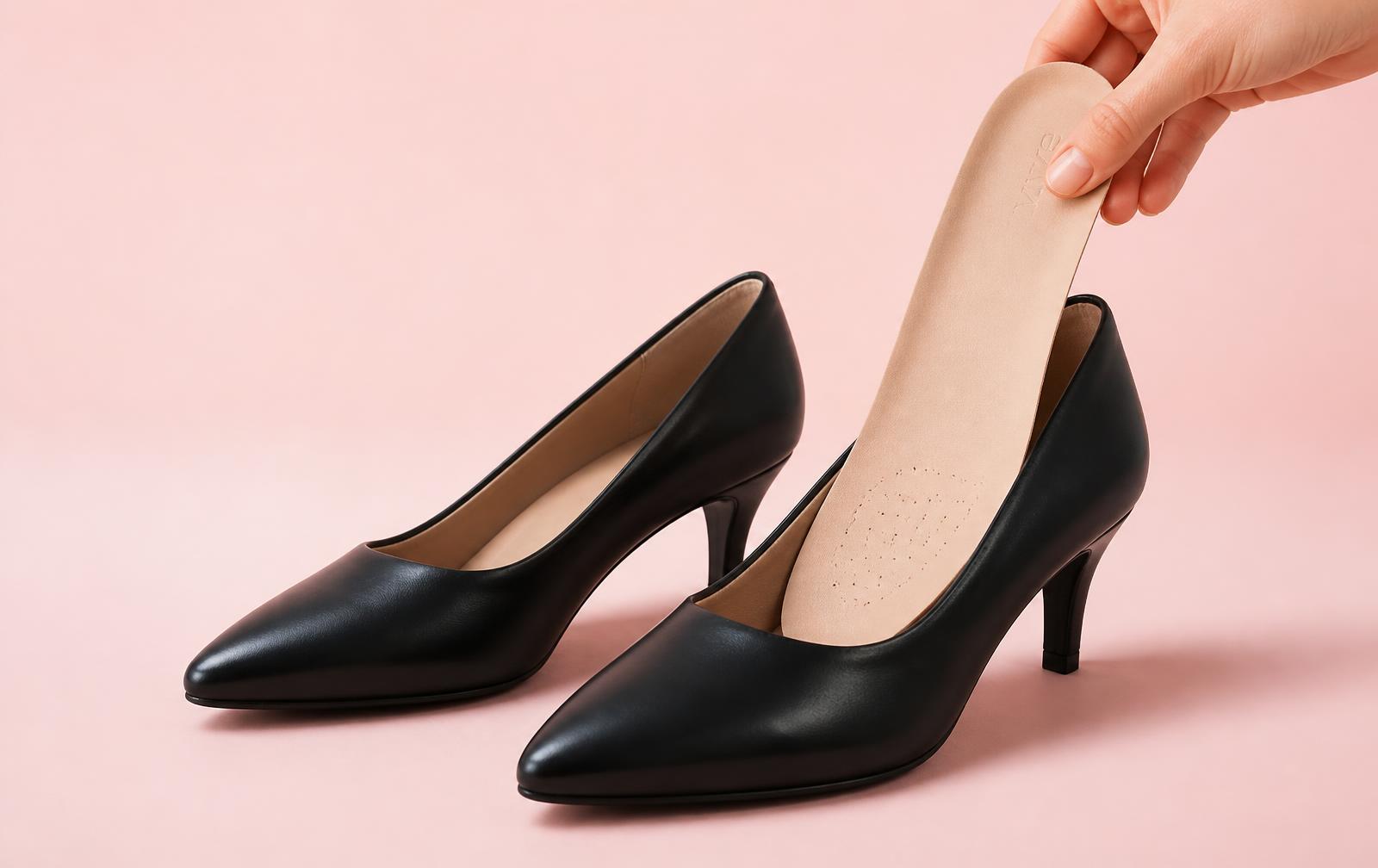
Yes, and many flat-footed players should. Take the factory insole out first so the orthotic sits at the right height, and re-check the heel fit afterwards — you may need to re-lace.
How often should I replace basketball shoes?
Every 4–6 months of regular play, or about 60–70 hours of court time. Sooner if you play outdoors or the traction pattern has gone smooth.
Should basketball shoes fit tight?
Snug at the heel and midfoot, never tight at the toes. Leave about half an inch in front of the longest toe. A shoe that is tight across the forefoot causes bunions, blisters and numbness — it does not "break in".
Are expensive basketball shoes better for your feet?
Not automatically. Fit, base width, torsional stiffness and heel lockdown matter more than the price or the signature on the side. The Anta Zap 2 outperforms plenty of premium shoes for a wide-footed player.
Can kids wear the same basketball shoes as adults?
Growing feet need room to change — check fit every three to four months, and never hand shoes down. A worn midsole is moulded to the previous player's gait.
My Final Thoughts…
The right basketball shoe improves performance and lowers injury risk, but only if it matches your foot. Prioritize proper cushioning, real torsional support, good traction and correct fit — then pick for your foot type, not for the athlete on the box.
Your feet are the foundation of your athletic performance — taking care of them is essential for long-term health.
Foot Health Isn't A Trend…It's A Movement!
Best,
Dr. Tulpule